By: Sonal Ratan
Do the gym staff know you by name, because you’re there every day, like clockwork? Do you struggle to keep up at your running club, but still always show up and never give up? Do you work up a sweat at home every night, following the instructions from your fitness app? And are you still not losing weight, despite following such a high intensity fitness regime? We might have the missing link that can help on your journey towards weight-loss.
IT’S A TEAM EFFORT
You need petrol to fuel a car and get to your destination, right? Of course you do, the car and petrol are equally important to get you from point A to point B. In the same way, if you want to lose weight then it is important that you follow a calorie-restricted, balanced eating plan as well as exercise.
WEIGHT LOSS MYTH BUSTERS
Okay, so you’re fully aware that what you eat is just as important as how you exercise. But let’s take a closer look at a few common myths that could be misleading you.
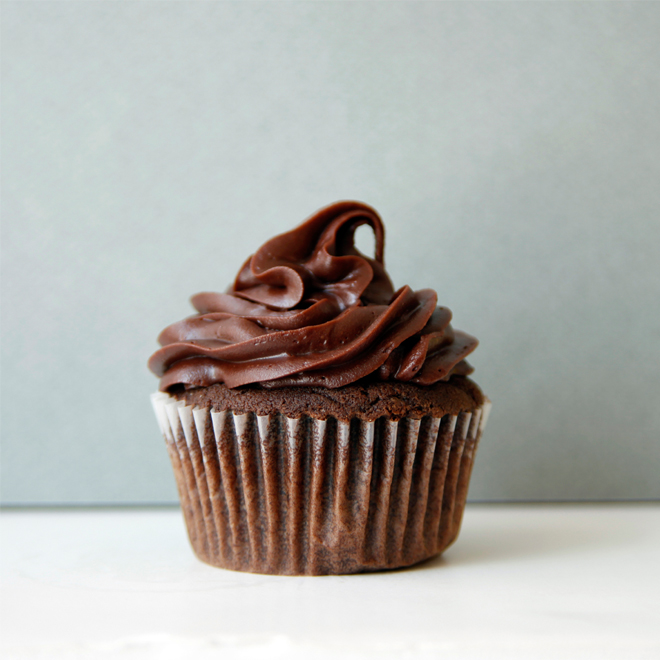
“I can have this cupcake and run for an extra five minutes to work it off later”.
Think of your body like a scale. If you consume the same amount of calories (in the form of food or beverages) that you use (for body functions and physical activity), then your weight will stay the same. Let’s use the cupcake as an example:
1 cupcake= Jogging at an average pace (5 minutes) = ±240 calories IN ± 80 calories OUT
This much extra jogging would only burn off one third of that cupcake! It doesn’t sound so appealing now, does it? I’m not saying that you should never have a treat again. You are human and sometimes you want to indulge in something sweet. So, why not go for our FUTURELIFE® Crunch Bar instead? Not only is it delicious, it also:
- Is high in protein;
- Is a source of fibre;
- Contains soya lecithin. Studies suggest that soya lecithin assists with improved brain function, aids in healthy weight loss, lowers cholesterol and prevents fat build-up in the arteries to promote heart health.
12g FUTURELIFE® Crunch Bar= Walking up the stairs (4 minutes) = 43 calories IN ±43 calories OUT
Do you work in a building with stairs? Then working off a FUTURELIFE® Crunch Bar is as simple as skipping the elevator and walking about four flights of stairs.
Note: Calories burned will differ between individuals as this is dependent on numerous factors. The above are examples for a better understanding of how calorie intake and use works.
“I need a low fat or low carb diet to lose the most amount of weight”.
Absolutely not! A study investigated the effects of a low carb and low fat diet on weight loss. For two weeks, one group of obese participants were placed on a low carb diet that reduced their total calorie intake by 30%. A second group of obese participants were placed on a low fat diet which also reduced their calorie intake by 30%. After the two weeks and a few weeks of rest, the groups switched diets. The results revealed that both groups had lost about the same amount of weight1.
This study is a great example of why cutting down on one specific food group does not achieve optimal weight-loss results. Yes, the groups did lose some weight but this was due to the fact that the participants were obese and had cut back on calories by 30%. More focus should be placed on reducing your total calorie intake and distributing your daily allowed calories throughout a balanced diet consisting of carbohydrates, proteins and fats. This will lead to you losing a significant amount of weight and keeping it off, with exercise. It is also important to watch your portion sizes and choose the right types of foods. Here are a few tips to ensure that you are eating the correct portion sizes at meal times:
Palm for protein
Your portion of protein should be the size and thickness of your palm. Remember to go for lean options and cut off all extra fat from meat before cooking. E.g. skinless grilled chicken breast, grilled fish or boiled eggs.
Fist for carbohydrates
Include a fist full of a high fibre carbohydrate. E.g. FUTURELIFE® Smart Bread™ (1-2 slices), brown rice or whole wheat pasta.
Handfuls for vegetables
You should include at least two handfuls of a variety of vegetables of different colours. The more colours you include, the better. Each colour indicates different nutrients. E.g. carrots, tomatoes, broccoli or beetroot.
Thumb for fat
Include healthy fats at meal times but only as much as the tip of your thumb. As a general rule, use no more than 1 teaspoon of fat for a meal when cooking. E.g. canola oil, olive oil or avocado in a salad.
The above are general guidelines. For a more precise calculation of your meal portion requirements visit your nearest dietitian.
“I need to sip on an energy drink while training”.
It is common knowledge that staying hydrated while training is important. However, what you are meant to drink is still unclear to many people. The American College of Sports Medicine states that when exercising for less than one hour, there is limited evidence that people who drink beverages with carbohydrates and electrolytes perform better than those who drink plain water2. It is also important to keep in mind that if you are exercising in an air-conditioned gym for 90 minutes, you are still more likely to need fluids in the form of water than electrolytes (you may need some carbohydrates for hard sessions, lasting longer than an hour). Let’s break it down:
500ml energy drink= Full body gym workout (60 minutes, non-stop) = 150 calories IN 240 calories OUT
Once you’ve completed a 60-minute, full body workout, you have burned about 240 calories. If you’ve consumed a 500ml energy drink during this time, then you’ve consumed about 150 calories. 150 calories in and 240 calories out, means 90 calories burned by the end of your gym session. So, do you really need that energy drink? Research shows that there is no substantial evidence to prove that energy drinks – except for caffeinated drinks, which are beneficial because of the caffeine – lead to the enhancement of physical performance3. My advice is that if you are not an athlete, sweating vigorously and training for lengthy periods of time and your aim is to lose weight, energy drinks are not a good idea. Plain water is enough to keep you hydrated, as you will not lose a significant amount of electrolytes while you train. You also won’t require extra glucose if you have had a small snack or a meal some time before your workout. If you want that caffeine fix, then simply add a teaspoon of coffee to your FUTURELIFE® shake before your workout.
No one said that the journey towards losing weight was going to be easy but it certainly isn’t impossible. Now that you have a few tips, stay motivated, train hard and eat right – starting now! You will definitely be thanking yourself later.
References:
- http://www.npr.org/sections/thesalt/2015/08/13/432087757/you-don-t-need-to-go-low-carb-to-burn-body-fat-study-says
- http://www.webmd.com/fitness-exercise/features/what-to-drink-when-you-exercise#2
- http://onlinelibrary.wiley.com/doi/10.1111/j.1753-4887.2012.00525.x/abstract
Images:
- https://www.todaysparent.com/wp-content/uploads/2014/05/ChocolateCupcake-iStockphoto.jpg
- http://www.globerunner.org/wp-content/uploads/2014/04/jogging.jpeg
- http://www.prevention.com/sites/prevention.com/files/styles/article_main_image_2200px/public/shutterstock_296776931-walking-up-stairs-danyl.jpg?itok=0jN82hcR
- http://static.wixstatic.com/media/76f487_c4cc9dfe18c244538b17810d5d8b4596.png
- http://cdn1.theinertia.com/wp-content/uploads/2013/01/EnergyDrink_shutterstock_i-500×400.jpg
- http://garagegympower.com/wp-content/uploads/2016/07/gym-1024×685.jpg